
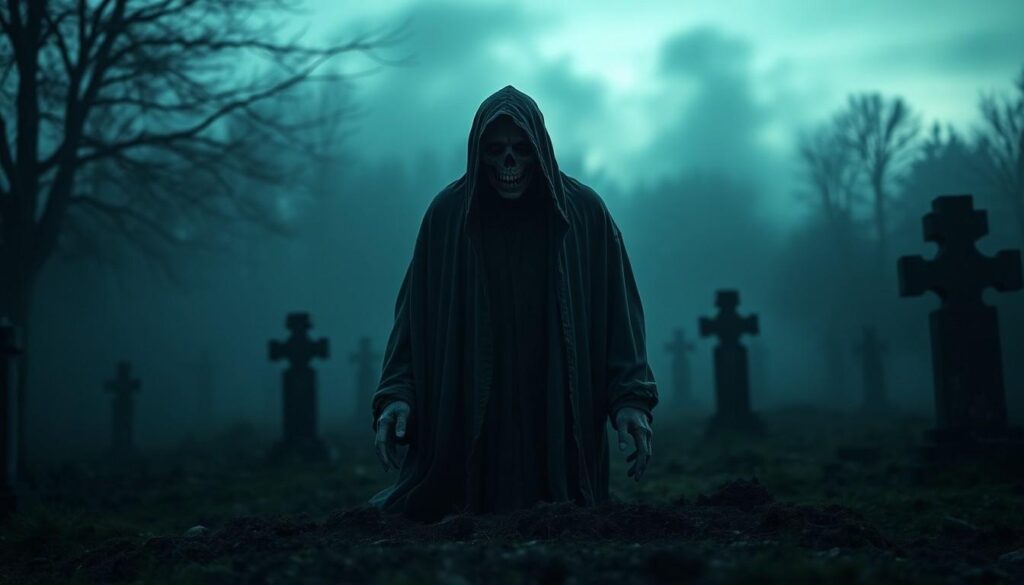
In the shadowy corners of German folklore, the nachzehrer lurks as one of the most chilling figures in the realm of the undead. This vampire-like creature is said to rise from its grave to consume its own flesh, feeding on the remains of its body while haunting the living. The nachzehrer’s insatiable hunger and eerie connection to the deceased make it a fascinating subject for those intrigued by mythology and the supernatural.
Legends surrounding the nachzehrer vary, but they often depict a tragic tale of unfulfilled life and restless spirits. As tales of this ghastly being spread, they reveal much about the cultural fears surrounding death and the afterlife. Delving into the origins and characteristics of the nachzehrer offers a glimpse into the darker aspects of human imagination and the ways folklore shapes our understanding of mortality.
Overview of Nachzehrer
The Nachzehrer is a distinctive figure in German folklore, particularly prevalent in northern Germany, Silesia, Bavaria, and among the Kashubians of northern Poland. Its name, derived from the German words “nach” (meaning “after”) and “zehrer” (meaning “living off” or “devourer”), encapsulates its essence as an undead being that survives by feeding on the living or consuming itself.
Characteristics of Nachzehrer
- Physical Appearance: The Nachzehrer typically exhibits a corpse-like form, characterized by pale or decaying skin. Its sunken eyes and emaciated build contribute to its deathly demeanor, making it a fearsome figure in local legends.
- Burial Shroud Consumption: A notable behavior of the Nachzehrer involves eating its own burial shroud. In certain accounts, it may also consume its own limbs. This self-cannibalistic tendency is believed to sustain the creature’s existence by drawing life force from itself or others.
Cultural Significance
Legends of the Nachzehrer reflect deep cultural fears regarding death and the afterlife. It serves as a cautionary tale about the consequences of an unfulfilled life. The creature symbolizes restless spirits that, unable to find peace, linger among the living. These narratives often serve to express societal anxieties surrounding mortality and the unknown aspects of death.
Comparisons to Other Folklore Creatures
The Nachzehrer shares similarities with other undead entities in folklore, such as the vampire. Both figures embody themes of consuming life force and highlight the cultural fascination with death and rebirth. While vampires traditionally focus on feeding off the living, the Nachzehrer uniquely emphasizes self-consumption, symbolizing despair and an unending cycle of life and death.
Locations of Nachzehrer Legends
The folklore surrounding the Nachzehrer can be found across various regions in Germany and parts of northern Poland. Each locality possesses its variations of the creature’s characteristics and stories, enriching the tapestry of cultural beliefs about the undead and the nature of existence.
These attributes and narratives contribute to the enduring intrigue of the Nachzehrer, cementing its place within the broader spectrum of folklore and underscoring humanity’s complex relationship with the concepts of life, death, and the afterlife.
Historical Background

The nachzehrer, rooted in German folklore, holds a significant place in the cultural narrative of northern Germany, Silesia, Bavaria, and among the Kashubians of northern Poland. It embodies profound themes tied to death, the undead, and societal fears.
Origin of the Nachzehrer Myth
The origins of the nachzehrer myth trace back to Germanic and Bavarian folklore. Deriving from the term “nach” (after) and “zehrer” (living off), the nachzehrer symbolizes a creature that survives post-mortem. Beliefs surrounding this figure often arise from regions with prevailing customs relating to death and burial practices. The nachzehrer embodies a revenant or undead entity that emerges from its grave, typically associated with unusual or untimely deaths.
Cultural Significance
The cultural significance of the nachzehrer reflects deep societal anxieties concerning death and the afterlife. Commonly linked to fatal misfortunes, such as suicide or plague, this creature represents restlessness and unfulfilled existence. In folklore, it serves as a cautionary emblem of the consequences stemming from unresolved life issues. By consuming its own body or the life force of others, the nachzehrer highlights themes of despair and a ceaseless cycle between life and death. Thus, the nachzehrer resonates as a powerful reminder of cultural beliefs regarding mortality and spiritual unrest.
Characteristics of Nachzehrer

The nachzehrer embodies a haunting figure from folklore, marked by distinct physical traits and unsettling behaviors. Understanding these characteristics offers insight into the creature’s representation of cultural anxieties regarding death and existence.
Physical Appearance
The nachzehrer often presents a corpse-like appearance characterized by pale or decaying skin, sunken eyes, and an emaciated build. This emaciation signifies its undead nature, coupled with a generally deathly demeanor. Distinctive features include the consumption of burial shrouds and the act of chewing its own limbs, setting it apart from other folkloric entities. It may exhibit specific physical signs, such as open eyes or mouths, red lips, and a soft, cold corpse texture. Encounter reports sometimes note the nachzehrer with its thumb held in its opposite hand, further emphasizing its abnormality.
Behavior and Abilities
The nachzehrer is recognized for its bizarre behavior, particularly its consumption of its own burial shroud and, in some narratives, its limbs. This grotesque dietary choice serves to sustain its existence, believed to indirectly drain the life force of the living. As a nocturnal creature, it remains active at night, often depicted as a malevolent entity that preys upon the living. This behavior reflects broader themes of unfulfilled life and despair, reinforcing the nachzehrer’s role as a symbol of restless spirits haunting the realms between life and death.
Nachzehrer in Folklore

The nachzehrer serves as a striking figure in German folklore, tied closely to cultural fears and beliefs surrounding death and the afterlife. Its distinct behaviors and origins resonate within various regional tales.
Stories and Legends
Numerous stories and legends narrate the origins and actions of the nachzehrer. One prevalent story highlights its emergence from individuals who faced tragic ends through suicide or accidents. In times of plague, the first person to succumb often transformed into a nachzehrer, reinforcing societal fears of disease and death. The transformation prompts chilling tales where the nachzehrer haunts the living, feasting on its own flesh and burial shroud, which exemplifies its desperate grasp on life. Regions such as Silesia and Bavaria preserve these narratives, often featuring accounts of encounters with this unsettling being.
Comparison with Other Creatures
The nachzehrer shares similarities with other undead entities, most notably vampires. Both creatures signify a return from death and possess a connection to the living. Unlike traditional vampires, which rely on the blood of others for sustenance, the nachzehrer engages in self-cannibalism. Its practice of devouring its own body distinguishes it within folklore, symbolizing despair and perpetual unrest. While vampires are often romanticized figures of seduction, the nachzehrer acts more as a cautionary symbol, emphasizing the consequences of unfulfilled life and spiritual turmoil. This fundamental contrast enhances its role in folklore, illustrating the diverse ways cultures interpret life’s end and the presence of unquiet spirits.
Modern Interpretations of Nachzehrer
Modern interpretations of the nachzehrer have evolved, remaining rooted in its folklore origins. This figure influences various cultural expressions, particularly in horror and fantasy genres.
Nachzehrer in Literature
Literature reflects the nachzehrer’s chilling essence through different narratives. Authors incorporate its undead characteristics into stories, illustrating themes of despair and restlessness. Works range from academic analyses exploring the nachzehrer myth to fictional stories that reimagine its haunting presence. Notable examples include short stories and novels that reinterpret the nachzehrer as a central figure, embodying societal fears related to death and unfulfilled lives. This literary trend preserves the folklore while adapting it for contemporary audiences.
Nachzehrer in Media
Media representations of the nachzehrer, while limited, show its influence in horror films and television series. Creators blend elements of the nachzehrer with traditional vampire myths, crafting a unique portrayal that draws on its folklore roots. Despite its relative obscurity compared to more prominent vampire legends, the nachzehrer occasionally appears in documentaries, emphasizing its cultural significance. Fallout from the nachzehrer’s portrayal underscores ongoing interest in German folklore, keeping the legend within public consciousness and sparking discussions regarding its mythological role.
Conclusion
The nachzehrer remains a haunting figure in German folklore that captures the imagination and evokes deep cultural fears. Its unique characteristics and unsettling behaviors serve as a powerful reminder of the consequences of an unfulfilled life. By embodying themes of despair and restlessness, the nachzehrer highlights the complex relationship between the living and the dead.
As modern interpretations continue to evolve, the nachzehrer’s influence in literature and media showcases its lasting impact on cultural narratives. This enduring fascination reflects society’s ongoing exploration of mortality and the spiritual unrest that often accompanies it. The nachzehrer serves not just as a cautionary tale but also as a symbol of the human experience, reminding us of the delicate balance between life and death.