
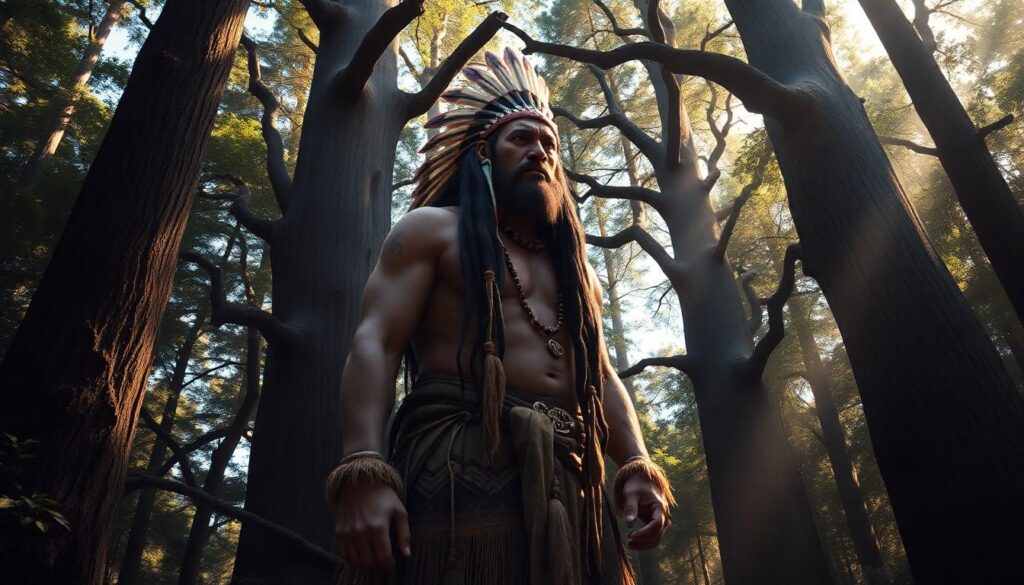
Legends of giants have long captivated the imagination of many cultures, but few are as rich and intriguing as those found in Native American folklore. These stories, passed down through generations, speak of towering figures who roamed the land, possessing immense strength and wisdom. They often embody the spirit of the earth and its natural wonders, serving as both protectors and adversaries in the tales told by indigenous peoples.
Exploring the narratives surrounding Native American giants reveals a complex tapestry of history, mythology, and cultural significance. From the Pacific Northwest to the Great Plains, these giants are more than just mythical beings; they reflect the values and beliefs of the tribes that tell their stories. As interest in these ancient tales grows, understanding their origins and meanings becomes crucial for appreciating the rich heritage they represent.
Overview of Native American Giants
Native American giants appear frequently in the folklore of various tribes, embodying themes of strength, wisdom, and moral lessons. Accounts of these giants often portray them as formidable beings, both revered and feared.
Tribes such as the Choctaw and Chickasaw discuss the Nahullo, a group of white giants who reportedly once roamed Tennessee. These giants exhibited remarkable height, with femoral bones longer than typical humans. According to legend, the Nahullo engaged in cannibalistic practices and were known for their warlike nature. The Choctaws faced these giants when they migrated to Mississippi, driven by necessity and survival.
The Comanche tribe shares a narrative of giants described by Chief Rolling Thunder. This ancient race measured approximately 10 feet tall and possessed wealth and power, excelling in various crafts. They constructed fortifications and cities, showcasing advanced skills. However, the Great Spirit eventually eradicated this race due to their hubris and failure to uphold principles of justice and mercy.
Giants in Native American traditions symbolize cultural values, illustrating the balance between strength and morality. Many tribes use these stories to impart lessons about pride, justice, and the consequences of one’s actions. The giants serve as both protectors and adversaries, embodying the complexities of human nature.
These legends often vary significantly between tribes, reflecting unique cultural contexts and histories. They reveal how different societies understand strength, wisdom, and the natural world. Giants also connect modern audiences to ancient beliefs, emphasizing the rich heritage of Native American cultures.
The tales involving giants resonate through generations, revealing the enduring qualities that shape tribal identities. Understanding these legends allows for deeper appreciation of their cultural significance and the narratives that have influenced Native American societies over time.
Historical Accounts

Historical accounts of Native American giants blend myth with reality, often reflecting European perspectives and misconceptions. Various records reveal intriguing details about these figures within Native American culture.
Ancient Legends and Myths
Legends of giants appear across numerous Native American tribes, emphasizing their role as formidable actions in the natural world. Among the Choctaw and Chickasaw, tales of the Nahullo capture their fierce nature and cannibalistic tendencies. These narratives serve dual purposes, portraying giants as both fearsome adversaries and cautionary symbols, illustrating the consequences of pride and moral failings. The Comanche recounts stories about a powerful race of giants whose arrogance led to their destruction, reinforcing the importance of humility. These legends encapsulate profound lessons about strength, ethics, and the intricate balance of existence, becoming intertwined with tribal identities.
Archaeological Findings
Archaeological findings contribute to the understanding of Native American giants but often remain subject to interpretation. In various sites throughout North America, researchers discovered large skeletons, some exceeding average human size. Reports, such as those from Captain John Smith in 1608, describe Native American groups, like the Susquehannock, as giants based on notable physical features. Although forensic analysis by Marshall Becker in 1991 confirmed these individuals did not measure fantastically tall by modern standards, their height of around 5 feet 7 inches for males and 5 feet 3 inches for females positions them as taller than average for their time. These discoveries and historical writings emphasize how perspectives shaped narratives around giants, creating a blend of fact and folklore in the historical record.
Characteristics of Native American Giants

Native American giants embody significant characteristics detailed in both folklore and historical accounts. These attributes span physical features and cultural importance across different tribes.
Physical Attributes
The Susquehannocks exhibited notable physical attributes. Males averaged 5 feet 7 inches in height, while females measured around 5 feet 3 inches, as detailed in Marshall Becker’s 1991 research. Their height resulted from a high protein and maize-based diet, highlighting their nutritional practices. Various legends speak of giants but often lack substantial evidence. For instance, the renowned tale of the “Redheaded Giants” from Lovelock Cave, Nevada, describes unusually tall, red-haired individuals. Investigations reveal these supposed giants typically stood around 6 feet or less, contradicting claims of extraordinary heights reaching 7 to 8 feet.
Cultural Significance
Legends of giants hold vital cultural significance within Native American societies. These narratives serve as powerful symbols, reflecting tribal values and beliefs. Stories, such as those from the Choctaw and Chickasaw tribes about the Nahullo, present giants known for their cannibalistic tendencies and warlike natures, imparting moral lessons regarding pride and justice. Additionally, the Comanche recounts tales of a dominant giant race that ultimately faced destruction due to hubris, emphasizing consequences for overreaching behavior. These stories not only represent fearsome adversaries but also act as cautionary narratives, blending mythology with lessons on ethics and existence in the natural world.
Case Studies of Giant Sightings

Numerous accounts and legends document sightings of giants among Native American tribes. These stories, rooted in cultural significance, often highlight notable locations and eyewitness testimonies.
Notable Locations
Various regions in the United States are associated with giant sightings.
- Tennessee: The Choctaw tribe’s legends describe the Nahullo giants, believed to inhabit this area. Their formidable stature and cannibalistic practices marked significant conflicts with the Choctaw[1].
- Comanche Territory: Chief Rolling Thunder noted that a race of 10-foot-tall white giants occupied expansive areas, living in fortified cities located in the valleys and on mountain summits[1].
- Western United States: The Navajo narrate the story of the Starnake people, who controlled vast regions with advanced mining technology and powerful strongholds across the Americas[1].
Eyewitness Testimonies
Eyewitness accounts provide compelling insight into the existence of giants.
- Choctaw Accounts: Reports from Choctaw warriors describe encounters with Nahullo giants during skirmishes, detailing their remarkable size and strength.
- Comanche Descriptions: Observers noted the overwhelming presence of the giants, recounting their wealth and influence, which shaped the landscape of their territory.
- Navajo Legends: Histories speak of encounters with the Starnake people, emphasizing their capabilities and the existential threats they posed to smaller tribes.
These cultural narratives and witness accounts contribute to the understanding of giants in Native American folklore, showcasing the significant implications of such encounters in the tribes’ storytelling traditions.
Ongoing Research and Debate
The concept of Native American giants sparks significant interest and scrutiny. This section delves into scientific and cultural perspectives surrounding these legends and claims.
Scientific Perspectives
Numerous reports detail giant skeleton finds, notably from sites like Lovelock Cave in Nevada. Initial claims of skeletons exceeding 2.44 meters faced skepticism, as actual measurements revealed heights closer to 1.83 meters. Assertions about the Smithsonian Institution’s alleged suppression of evidence lack concrete support, as existing reported finds often bypass rigorous scientific verification. Archaeological excavations, particularly those by the Smithsonian in West Virginia, reveal skeletons taller than average but not exceptionally so, illustrating the need for cautious interpretation of findings.
| Site | Height Claims | Verified Heights |
|---|---|---|
| Lovelock Cave | Over 2.44 m | Approximately 1.83 m |
| West Virginia | Taller than average | Not exceptionally tall |
Cultural Perspectives
The narratives surrounding Native American giants highlight cultural significance and morality. Accounts of giants vary among tribes, showcasing their roles as both protectors and adversaries. For instance, tribes such as the Choctaw and Chickasaw recount tales of the Nahullo, emphasizing themes of strength intertwined with justice. The giants often embody cautionary symbols to impart moral lessons about pride and consequences. The legends, while historically disputed, play a crucial role in reflecting tribal values, reinforcing a rich heritage within the Native American cultural landscape.
Conclusion
The narratives of Native American giants encapsulate a rich tapestry of cultural beliefs and moral teachings. These stories not only highlight the giants’ formidable nature but also reflect deeper values within the tribes. As they navigate the interplay between myth and reality, these legends continue to resonate, offering insights into the human experience and the natural world.
The fascination with giants persists, inviting further exploration and understanding of their significance in Native American heritage. Whether viewed through the lens of folklore, archaeology, or cultural identity, these tales remain a vital part of the collective memory of Native American communities.