
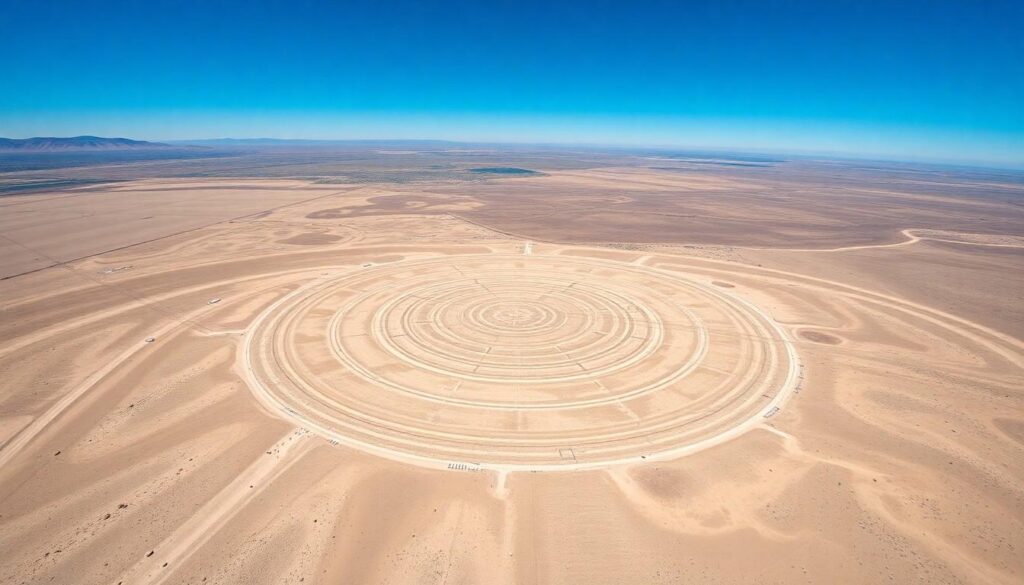
Deep in the arid plains of Peru, a series of mysterious holes known as the Nazca holes have sparked curiosity and intrigue among archaeologists and adventurers alike. These fascinating geological formations, scattered across the Nazca Desert, offer a glimpse into ancient practices and beliefs that continue to baffle researchers.
The Nazca holes, varying in size and depth, serve as a testament to the ingenuity of the Nazca civilization. As scholars delve into their purpose—ranging from water storage to astronomical alignments—these enigmatic structures reveal the rich tapestry of human history intertwined with the natural landscape. Exploring the origins and significance of the Nazca holes invites readers to uncover the secrets of a culture that thrived in one of the world’s most challenging environments.
Overview of Nazca Holes
Nazca holes refer primarily to two types of excavations in the Nazca region of Peru, showcasing the ingenuity of the Nazca civilization. The two main types include Nazca puquios and various other geological formations. Each type serves distinct functions and reflects advanced engineering techniques.
Nazca Puquios (Ojos or Eyes)
Nazca puquios, also known as ojos or eyes, are a hallmark of the sophisticated water management system established by the Nazca people, who thrived from approximately 200 BC to AD 600. This system consists of subterranean aqueducts designed to access groundwater in the arid desert landscape.
- Purpose: Puquios were critical for providing water in a challenging environment, accessing essential groundwater supplies. The design included broad, spiraling holes for maintenance and cleaning purposes.
- Engineering: Ojos vary in size, with some reaching up to 50 feet in width. Each ojo is ingeniously designed to utilize prevailing winds, which enhance water flow through the aqueducts. The spiral configuration effectively channels wind into the underground canals, creating increased air pressure that aids in moving water.
These features exemplify the Nazca civilization’s understanding of engineering and hydraulics, crucial for sustaining their population in an arid climate.
Additional Geological Formations
While puquios represent an essential part of the Nazca holes, other geological formations in the region also capture attention. Geoglyphs and altered land formations, although distinct from puquios in utility, contribute to the mystery surrounding Nazca’s cultural landscape. These other formations often spark theories related to astronomical alignments or ceremonial purposes, further enriching the story of the Nazca people.
Nazca holes encompass unique structures showcasing both practical and ceremonial attributes, revealing the complexity of Nazca civilization’s relationship with its environment. Understanding these formations sheds light on the advanced knowledge and skills that characterized this ancient society.
Historical Significance

The Nazca holes hold significant historical and archaeological importance that sheds light on the advanced capabilities of the Nazca civilization.
Discovery of Nazca Holes
Archaeologists first documented the Nazca holes in the 1920s. Researchers rapidly recognized the holes’ potential historical significance, particularly regarding their association with the Inca Empire (1438–1533). Located between Tambo Colorado and Lima la Vieja, these structures align with the Inca coastal road and the route to the highlands. Their strategic placement suggests involvement in the empire’s logistical and administrative framework.
Cultural Context
Recent theories propose that the Nazca holes served dual purposes: as storage pits and measurement devices. Evidence suggests these holes might have stored goods or defined quantities given as tribute to the Inca state. This theory gains credibility from their proximity to major trade routes and the possibility that measurements were recorded through Incan khipus. These attributes highlight the cultural practices and economic systems that characterized the Nazca civilization, enhancing the understanding of their sophisticated societal organization.
Scientific Investigations

Investigations into the Nazca holes have utilized various methodologies and historical analyses to provide insights into their origins and purposes. Understanding these structures involves a careful blend of archaeological and technological approaches.
Research Methodologies
Archaeological excavations and surveys initiated by Peruvian archaeologist Toribio Mejía Xesspe laid the groundwork for understanding the Nazca region. In the 1930s, advancements in aviation allowed for a more comprehensive identification of geoglyphs, which remained largely invisible from ground level. Recent methodologies expanded upon this foundation by incorporating state-of-the-art technology. A collaborative effort between Yamagata University and IBM employed drones and artificial intelligence (AI) to analyze aerial images. This innovative approach enabled the identification of previously undiscovered geoglyphs and subtle features related to the Nazca holes, enhancing the understanding of their spatial distribution and significance.
Findings and Theories
Investigations revealed that the Nazca holes serve various functions, particularly as part of a water management system. Nazca puquios, integral to this system, allowed access to groundwater in the arid environment. The designs of these puquios include broad, spiraling holes, facilitating maintenance and optimizing natural phenomena like wind for efficient water flow. The study of these formations supports theories suggesting their dual purposes as storage pits and measurement devices. Their strategic locations along Inca trade routes indicate roles in logistical planning and resource management. The proximity of the holes to major trade routes further substantiates theories around their use in determining tribute quantities using Incan khipus, revealing the complexity of Nazca society and its engineering capabilities.
Mysteries Surrounding Nazca Holes

The Nazca holes present numerous enigmas that continue to intrigue researchers. Understanding these features is essential to uncovering the complexities of the Nazca civilization and its environmental adaptations.
Unexplained Features
Nazca holes manifest as a series of spiraled openings, yet their exact purpose remains partially shrouded in mystery. While many recognize them as part of a water management system, uncertainties linger regarding their full range of functions. Archaeological analysis reveals intricate designs, but their alignment with specific celestial events, as suggested by some theorists, complicates the interpretation. Recent studies utilize drone technology to uncover additional patterns, fueling speculation about their significance as potential markers or ritual sites connected to the Nazca people’s spiritual beliefs. Identification of similar formations in other cultures has fostered debates about shared knowledge or independent innovation in pre-Columbian engineering.
Impact on Local Ecosystem
The puquios significantly influenced the local ecosystem of the Nazca Desert. These spiraling holes provided critical access to underground water sources, supporting agriculture in a region characterized by minimal rainfall. Annual studies show that the puquios sustained crop cultivation, facilitating diverse agricultural practices such as maize and cotton farming. Maintaining a consistent water supply helped stabilize local ecosystems, promoting biodiversity through the cultivation of various plant species. Historical evidence denotes a direct link between the puquios and the flourishing of the Nazca civilization, emphasizing their role in shaping food security and survival in an arid environment.
Comparative Analysis
The Nazca holes and geoglyphs hold significant mysteries and cultural relevance. Their study invites comparison with similar artifacts and theories around their interpretations.
Similar Geoglyphs Worldwide
Geoglyphs exist globally, each depicting unique cultural expressions and engineering feats. For instance:
- Chiribaya Lines: Located in southern Peru, these earth structures resemble the Nazca lines, showcasing geometric patterns and motifs that align with local agricultural practices.
- Atacama Giant: Found in Chile, it is the largest geoglyph globally, representing a human-like figure etched into the desert floor, revealing similarities in form and function with Nazca designs.
- Watu Dodol: Situated in Indonesia, these ancient rock carvings demonstrate the human tendency to create large-scale designs, paralleling the artistic motivations behind Nazca geoglyphs.
These examples illustrate that cultures across different regions harness similar techniques to convey meaning and demonstrate engineering prowess.
Different Interpretations
Interpretations of the Nazca holes and geoglyphs vary widely among researchers, leading to diverse hypotheses. Some significant interpretations include:
- Water Management: Researchers argue that the Nazca holes served as critical hydraulic features, ingeniously designed to access and manage scarce water resources, aligning with desert survival strategies.
- Aerial Markers: Some archaeologists suggest the geoglyphs functioned as markers for aerial visibility, aiding in navigation and ritualistic purposes.
- Celestial Alignments: Various studies propose that specific geoglyphs align with celestial events, linking them to agricultural calendars or spiritual practices intended to garner favor from deities.
These different interpretations highlight the complexities surrounding the meanings constructed by the Nazca civilization, revealing the layers of significance embedded in these remarkable artifacts.
Conclusion
The Nazca holes stand as a testament to the ingenuity and adaptability of the Nazca civilization. These remarkable structures not only highlight advanced engineering and water management techniques but also reflect a deep connection to the environment and the cosmos. Their strategic placement along trade routes and potential dual functions underscore the complexity of Nazca society.
As research continues to unfold, the mysteries surrounding these formations only deepen. The exploration of their significance offers valuable insights into the cultural and historical context of the Nazca people. Ultimately, the Nazca holes invite ongoing curiosity and investigation, promising to reveal even more about an ancient civilization that thrived in one of the harshest landscapes on Earth.