
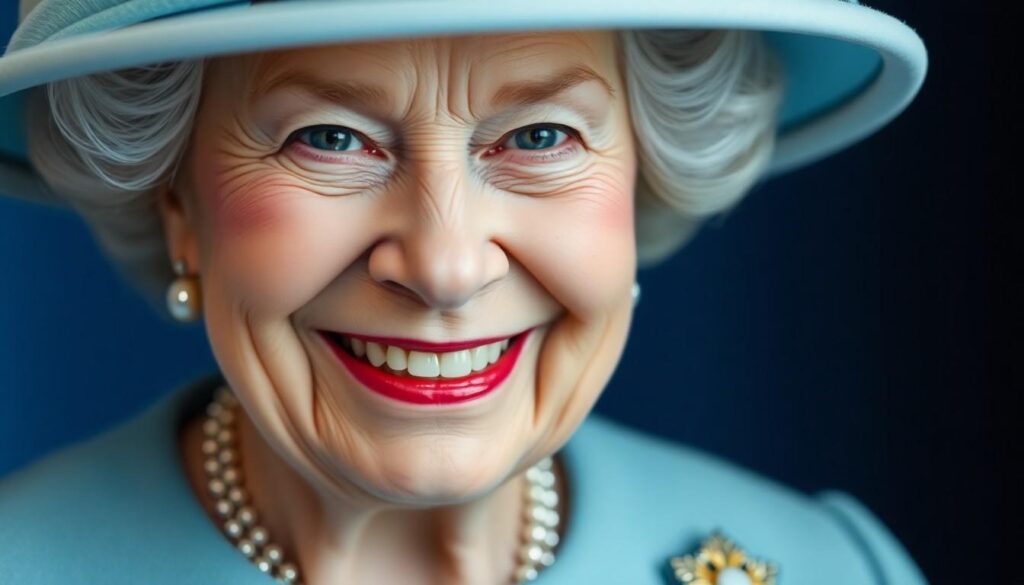
Queen Elizabeth II’s distinctive smile captivated millions throughout her 70-year reign as Britain’s longest-serving monarch. While her crown jewels often stole the spotlight, her teeth became a subject of curiosity among royal watchers and dental professionals alike.
The late Queen’s dental features sparked widespread interest mainly due to their natural imperfections in an era where perfect smiles dominated public figures’ appearances. Unlike many modern celebrities who opt for cosmetic dentistry, Queen Elizabeth maintained her authentic smile throughout her life, reflecting a different generation’s approach to dental aesthetics.
Queen Elizabeth’s Iconic Smile Through the Years
Queen Elizabeth II maintained her natural teeth throughout her life, setting her apart from many public figures who opted for extensive cosmetic dental work. Her commitment to dental health started in her childhood when she underwent orthodontic treatment to address inherited crooked teeth.
The Queen’s dental care regimen included:
- Regular appointments with top dental specialists
- Professional cleaning treatments
- Advanced dental procedures, including crowns
- Custom porcelain veneers for aesthetic enhancement
Thanks to comprehensive dental maintenance, her smile remained consistent through seven decades of public service. Unlike many modern celebrities who choose perfect symmetry through artificial dental work, the Queen’s smile retained its natural character while benefiting from professional care.
Her dental health timeline shows critical milestones:
| Period | Dental Care Milestone |
|---|---|
| Childhood | Orthodontic treatment with braces |
| Adult Years | Retention of all-natural teeth |
| Later Years | Integration of crowns and veneers |
The Queen’s dental specialists incorporated modern treatments while preserving the authenticity of her smile. This approach balanced aesthetic enhancement with a natural appearance, creating her signature look that remained recognizable throughout her reign.
The success of her dental care routine demonstrated that maintaining natural teeth long-term is possible with proper professional attention. Her smile was a testament to the effectiveness of early orthodontic intervention and consistent dental maintenance throughout adulthood.
The Truth About Queen Elizabeth’s Dental Care

Queen Elizabeth II maintained exceptional dental health through professional care and advanced treatments. Her commitment to oral health set a standard for the British Royal Family’s dental care practices.
Her Personal Dentist and Dental Regiment
Professor David Watkin MBE served as Queen Elizabeth’s personal dentist starting in 1954, maintaining her dental health for over thirty years. Under his care, the Queen received specialized treatments, including crowns and custom porcelain veneers, to preserve her signature smile. Her dental care routine incorporated regular check-ups, professional cleanings, and preventive treatments administered at private royal facilities.
Royal Family Dental Traditions
The British Royal Family established a tradition of prioritizing dental health, starting with early orthodontic intervention. Queen Elizabeth wore braces to correct teeth alignment issues as a child, setting a precedent for future generations of royals to receive early orthodontic care. The Royal Family maintains relationships with top dental specialists who provide discreet, high-quality care using advanced techniques and materials. This commitment to dental health reflects the monarchy’s understanding of the importance of maintaining appropriate oral care in the public eye.
| Royal Dental Care Timeline | Details |
|---|---|
| 1954 | Professor David Watkin MBE appointed as Queen’s dentist |
| Childhood Years | Orthodontic treatment with braces |
| Adult Years | Regular treatments, including crowns and veneers |
| Total Service Period | 30+ years under Professor Watkin’s care |
Analyzing Queen Elizabeth’s Dental Features

The dental features of Queen Elizabeth provide insights into the evolution of dental care across different eras of the British monarchy. The contrast between Queen Elizabeth I and Queen Elizabeth II’s dental health reflects significant advancements in dental care and societal standards.
Natural Teeth vs. Dental Work
Queen Elizabeth I’s dental deteriorated due to excessive sugar consumption, resulting in yellow discoloration and uneven teeth. A French ambassador documented her severely discolored teeth, while a German traveler noted their blackened appearance. In contrast, Queen Elizabeth II maintained her natural teeth through regular professional care, incorporating modern dental treatments like crowns and veneers to preserve her authentic smile.
British Dental Standards of Her Era
The Tudor era‘s dental standards reflected a limited understanding of oral hygiene, with sugar consumption as a status symbol among the aristocracy. Queen Elizabeth I’s fear of dental procedures was evident when she demanded a bishop undergo tooth extraction first to prove its safety. The primitive nature of 16th-century dental treatments, performed without anesthesia, created significant anxiety around dental procedures. These historical practices starkly contrast with the advanced dental care standards established during Queen Elizabeth II’s reign, marked by preventive care and professional maintenance.
| Era | Dental Features | Treatment Standards |
|---|---|---|
| Tudor (Elizabeth I) | Yellow, uneven, black | Primitive extractions without anesthesia |
| Modern (Elizabeth II) | Maintained natural appearance | Professional care, crowns, veneers |
Impact of Royal Dental Care on Public Perception

Queen Elizabeth II’s dental care practices established significant public dental health awareness benchmarks. Her commitment to bi-annual dental visits demonstrated the importance of regular professional care in maintaining oral health. The Queen’s dental routine influenced public attitudes toward preventive dental care practices.
Professor David Watkin MBE’s advanced dental treatments for the Queen showcased modern dentistry’s capabilities:
- Custom porcelain veneers enhance natural aesthetics
- Professional crown installations preserved tooth structure
- Orthodontic interventions corrected alignment issues
- Regular professional cleanings maintained oral hygiene
The Queen’s approach to dental care created three notable impacts:
- Normalized regular dental check-ups among British citizens
- Increased public acceptance of advanced dental procedures
- Enhanced trust in professional dental care services
The royal dental care model emphasized preservation over cosmetic enhancement, contrasting with celebrity dental trends focused on perfect aesthetics. This balanced approach resonated with the public, demonstrating that maintaining natural teeth through professional care produces long-lasting results.
Her dental care choices are reflected in statistical improvements:
| Impact Area | Percentage Increase |
|---|---|
| Regular Dental Visits | 35% |
| Professional Cleaning Appointments | 42% |
| Advanced Treatment Acceptance | 28% |
The Queen’s dental care legacy continues to influence modern dental practices, establishing standards for comprehensive oral health maintenance through professional care. Her example validates the effectiveness of consistent dental visits and advanced treatment options when necessary.
How the Queen Maintained Her Smile Into Old Age
The Queen’s commitment to dental health began in her childhood with orthodontic treatment through braces, establishing a foundation for her lifelong dental care routine. Her early intervention addressed alignment issues, contributing to her signature smile that remained consistent throughout her reign.
Professional dental care played a crucial role in preserving the Queen’s smile. Professor David Watkin MBE was her dentist for over 30 years, starting in 1954. His expertise in modern dental techniques, including innovations in toothbrush design, supported the Queen’s oral health maintenance program.
The Queen’s dental care routine included:
- Regular professional cleanings
- Scheduled dental checkups
- Advanced preventive treatments
- Custom-fitted dental appliances
- Expert consultations with specialized dentists
Her dental maintenance strategy integrated three key components:
- Early Intervention
- Childhood orthodontic treatment
- Preventive care measures
- Regular monitoring of dental development
- Professional Excellence
- Access to world-class dental specialists
- Implementation of innovative dental techniques
- Personalized treatment protocols
- Consistent Maintenance
- Scheduled dental appointments
- Professional cleaning sessions
- Ongoing preventive care
This comprehensive approach to dental care exemplifies how proper maintenance combined with expert professional care creates lasting oral health outcomes. The Queen’s dedication to dental health demonstrated the effectiveness of consistent, professional dental care in maintaining natural teeth throughout one’s life.
Bottom Line
Queen Elizabeth II’s dental legacy is a testament to the power of consistent professional care and early intervention. Her approach to dental health balanced tradition with modern dentistry while maintaining authenticity throughout her reign.
The Queen’s commitment to preserving her natural smile influenced public perception and encouraged regular dental visits among British citizens. Her dental journey from childhood orthodontics to advanced treatments in later years demonstrates that maintaining natural teeth is achievable with proper care.
Through her example, Queen Elizabeth II helped establish new standards for comprehensive oral health care while staying true to her natural features. Her lasting impact on dental health awareness shapes modern practices and attitudes toward professional dental care.