
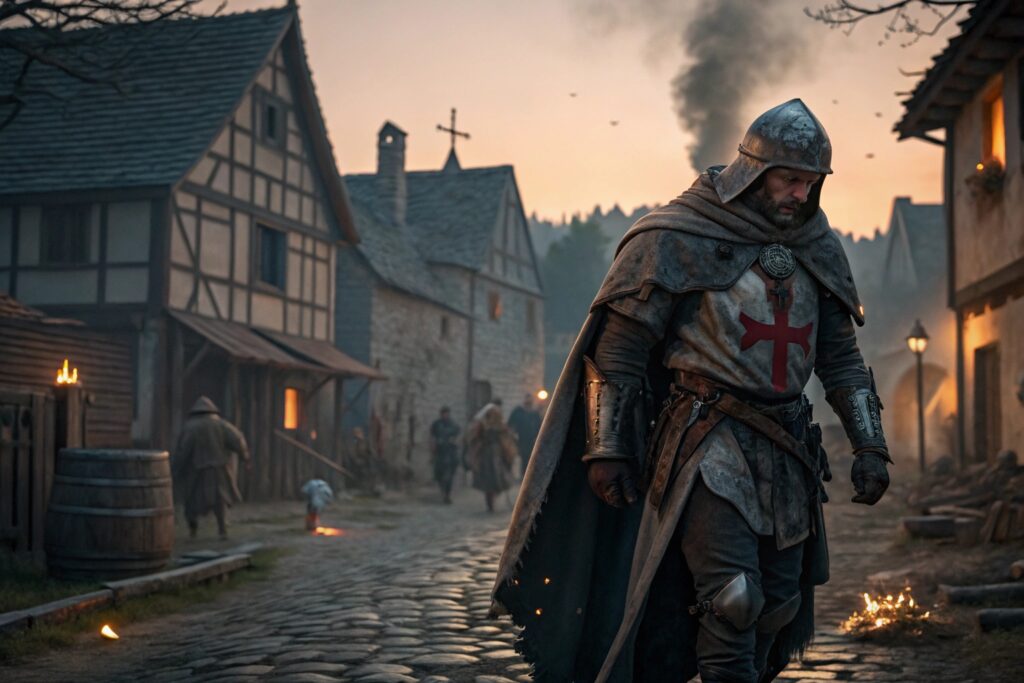
The image of the medieval knight is often one of honor, bravery, and unshakable faith. Among them, the Templars stand out as symbols of discipline and devotion during the Crusades. Yet behind the shining armor and sacred vows lies a forgotten story—the harsh reality of what happened when these warriors returned home.
The lives of Crusade veterans were marked by both visible wounds and invisible scars. For the Templar warriors after the Crusades, survival was not only about battlefield glory but also about enduring the psychological toll of the Crusades. This article explores the physical hardships, emotional struggles, and historical legacy of trauma among these medieval fighters.
The Harsh Reality of the Crusades
The Crusades were long, brutal campaigns that stretched across decades. Knights endured grueling marches, starvation, disease, and unrelenting battles in harsh climates. For many, the war became less about holy vows and more about daily survival.
When we speak of the history of Crusader trauma, it is important to recognize that medieval chroniclers often described soldiers as “changed” or “broken” upon their return. Their experiences foreshadowed what we now recognize as post-traumatic stress and battlefield fatigue.
Physical Wounds: The Burden of Battle
The physical toll on returning knights was staggering. Many bore lifelong scars, amputations, or chronic illnesses caused by both combat and poor living conditions.
-
Injuries from Siege Warfare
Battles for cities like Jerusalem and Acre involved relentless close combat. Crushing blows, arrow wounds, and burns from siege engines left warriors permanently disabled. -
Diseases of the East
Beyond wounds, Crusaders encountered unfamiliar diseases such as dysentery, malaria, and leprosy. Some illnesses lingered for years, weakening their bodies even after returning home. -
Malnutrition and Exhaustion
Scarcity of food during campaigns left many knights physically weakened, their bodies unable to fully recover.
The returning knights’ physical and emotional struggles were compounded by medieval medicine’s limited ability to heal them. For some, returning home meant living with chronic pain and disability.
The Psychological Toll of the Crusades
Perhaps even more profound than the physical wounds was the psychological toll of the Crusades. Medieval accounts describe warriors plagued by restlessness, anger, or spiritual despair.

1. Witnessing Atrocities
Templars and other knights saw massacres, starvation, and betrayal—horrors that left lasting mental scars. Chroniclers recorded that some knights became haunted by visions of fallen comrades or innocent victims.
2. Guilt and Spiritual Doubt
While they fought under the banner of faith, many knights returned with doubts. Did their actions truly serve God? Was the violence just? This spiritual conflict deepened their suffering.
3. Alienation at Home
Returning veterans often struggled to reintegrate. Families and communities who had never seen the brutality of the East found it hard to understand their silence, anger, or distant behavior. This mirrors the alienation modern veterans often feel.
Historians argue that these signs align with what we now describe as combat trauma—an invisible wound long overlooked in medieval history.
Templar Warriors After the Crusades
The Templar warriors after the Crusades faced unique challenges. As members of a monastic military order, they had taken vows of poverty, chastity, and obedience. Unlike secular knights, they could not retreat into family life or private estates for comfort.
Instead, they lived under strict discipline in commanderies across Europe, where the order’s structure attempted to provide stability. Yet even the Templars could not fully shield their brethren from the weight of trauma. Some records show Templar veterans leaving the order or being disciplined for breaking vows, perhaps a reflection of inner turmoil.
Returning Knights’ Physical and Emotional Struggles
For secular knights, reintegration often meant returning to feudal responsibilities, managing land, and resuming family duties. But the returning knights’ physical and emotional struggles often made these tasks difficult:
-
Chronic injuries limited their ability to fight or labor.
-
Emotional instability led to conflicts within households and communities.
-
Disillusionment weakened their sense of purpose, especially if they felt their sacrifices in the East had been wasted.
Some veterans sought solace in monasteries, donating land or joining religious orders. Others carried on as best they could, their trauma hidden but never erased.
The Hidden History of Crusader Trauma
The history of Crusader trauma is not always easy to trace, as medieval language lacked the psychological vocabulary we use today. Yet clues appear in chronicles, letters, and religious writings.
-
Chroniclers spoke of knights who were “disturbed” or “unable to find rest.”
-
Accounts of nightmares and visions suggest post-traumatic stress symptoms.
-
Pilgrimages and penances undertaken by veterans hint at attempts to heal spiritual and psychological wounds.
Just as modern soldiers carry invisible burdens, so too did these medieval warriors. The difference lies in how their societies interpreted suffering—often as a test of faith or divine punishment rather than mental injury.
Lessons from Medieval Veterans
While centuries separate us from the Crusades, the struggles of Crusade veterans’ mental health echo in the experiences of soldiers today. Both faced alienation, guilt, and difficulty adjusting to civilian life.
The key lesson: trauma is timeless. Whether in the 12th century or the 21st, the scars of war extend far beyond the battlefield.
Conclusion
The story of the Crusades is often told through battles, kings, and holy causes. But the untold story is that of the warriors themselves—the Templar warriors after the Crusades, who returned with broken bodies and fractured spirits.
The psychological toll of the Crusades was just as devastating as the physical wounds, shaping the lives of thousands of men who struggled with reintegration. The returning knights’ physical and emotional struggles remind us that medieval warriors were not invincible icons but human beings grappling with the consequences of violence.
By studying the history of Crusader trauma, we gain insight not only into the Middle Ages but also into the timeless cost of war. Their silent suffering connects us to modern veterans and challenges us to recognize the hidden toll of battle across the centuries.