
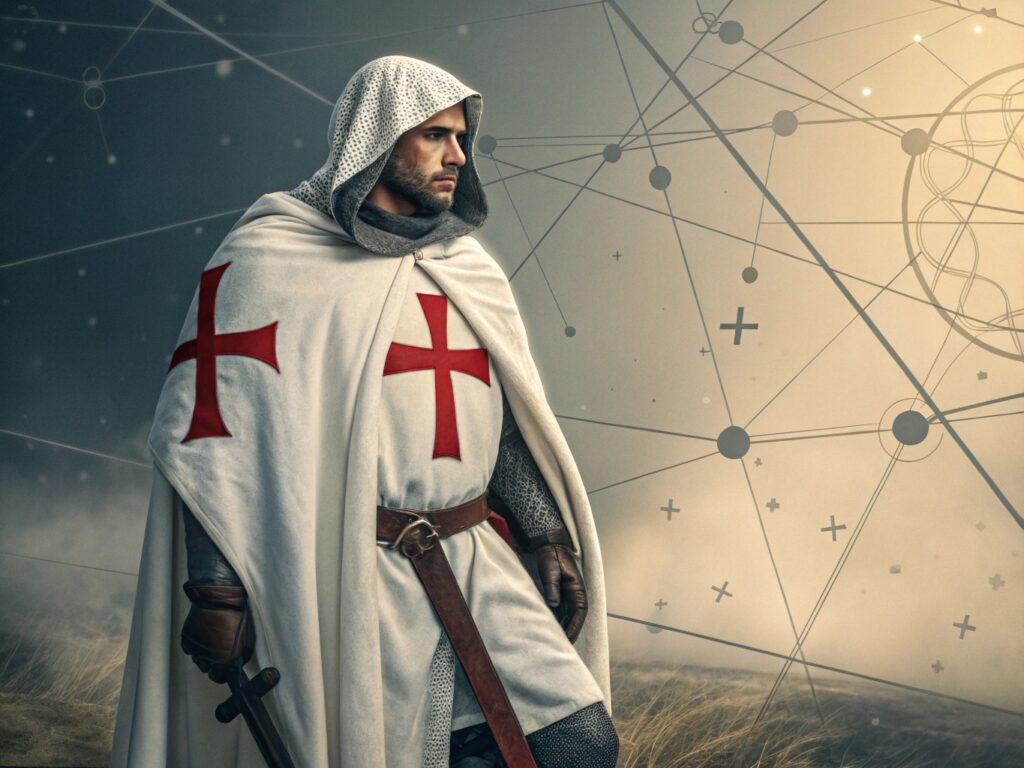
The Mystery of Templar Bloodlines
Few organizations inspire as much fascination as the Knights Templar. Founded in the 12th century, these warrior-monks fought in the Crusades, built vast networks of wealth, and cultivated an aura of secrecy. When the order was suppressed in the 14th century, stories spread of hidden treasure, lost ships, and even surviving heirs.
This has led to a persistent question: Do Templar bloodlines exist today? Could modern DNA and genealogy research reveal living descendants of the Crusader knights? Between hard science and enduring legend, the truth is complex—and more fascinating than fiction.
The Historical Templars: Soldiers, Monks, and Landholders
Who Were the Knights Templar?
The Templars were not just warriors; they were an elite military order sworn to poverty, chastity, and obedience. Their members were technically monks and, by rule, forbidden to marry or father children.
The Paradox of Genealogy
Because of these vows, official doctrine suggests there could be no Templar descendants. Yet, history is rarely so simple:
-
Many men joined the order later in life, after already having families.
-
The Templars owned vast estates worked by sergeants and lay brothers, some of whom did not take full vows.
-
In areas like Portugal and Scotland, surviving Templars were absorbed into new orders, where their family lines may have continued.
This opens the door to the possibility of Crusader lineages tied, at least indirectly, to the Templar legacy.
Myths and Legends of Templar Bloodlines
The Hidden Dynasties
Legends claim the Templars secretly preserved family lines, passing on treasures, secrets, or even the Holy Grail. Some conspiracy theories link them to later groups like the Freemasons, suggesting that Templar heritage continued through symbolic bloodlines rather than literal descent.
Royal Connections
Other myths claim that the Templars intermarried with European nobility, spreading their influence across dynasties. While historians find little evidence of this, the idea persists because it fits the aura of Templar secrecy.
In reality, Templar bloodlines are more likely linked to Crusader families that supported or fought alongside them than to the order’s sworn knights.
What DNA Research Reveals About Crusader Lineages
Genetic Studies in the Levant
Archaeological digs in the Middle East have unearthed Crusader cemeteries. DNA analysis of these remains shows genetic mixing between European Crusaders and local populations. This proves that some Crusaders fathered children during or after their campaigns.
While not strictly “Templar DNA,” these findings suggest that Crusader lineages may still exist in modern populations of Lebanon, Syria, and surrounding regions.
Medieval Graves in Europe
In Europe, graves identified as Templar or Crusader burials have also been analyzed. While no unique “Templar marker” exists, genealogy studies show that Crusader-era lineages are present in today’s European populations, especially in France, Spain, Portugal, and Italy.
This doesn’t prove direct Templar descendants, but it reinforces the idea that the blood of Crusader families flowed into later generations.
Templar Bloodlines in Portugal and Scotland
The Portuguese Continuation
In Portugal, King Dinis transformed the outlawed Templars into the Order of Christ. Many former Templars joined this new order and continued to manage land and estates. Some had families before joining, and their lineages may have survived under new names.
The Scottish Legend
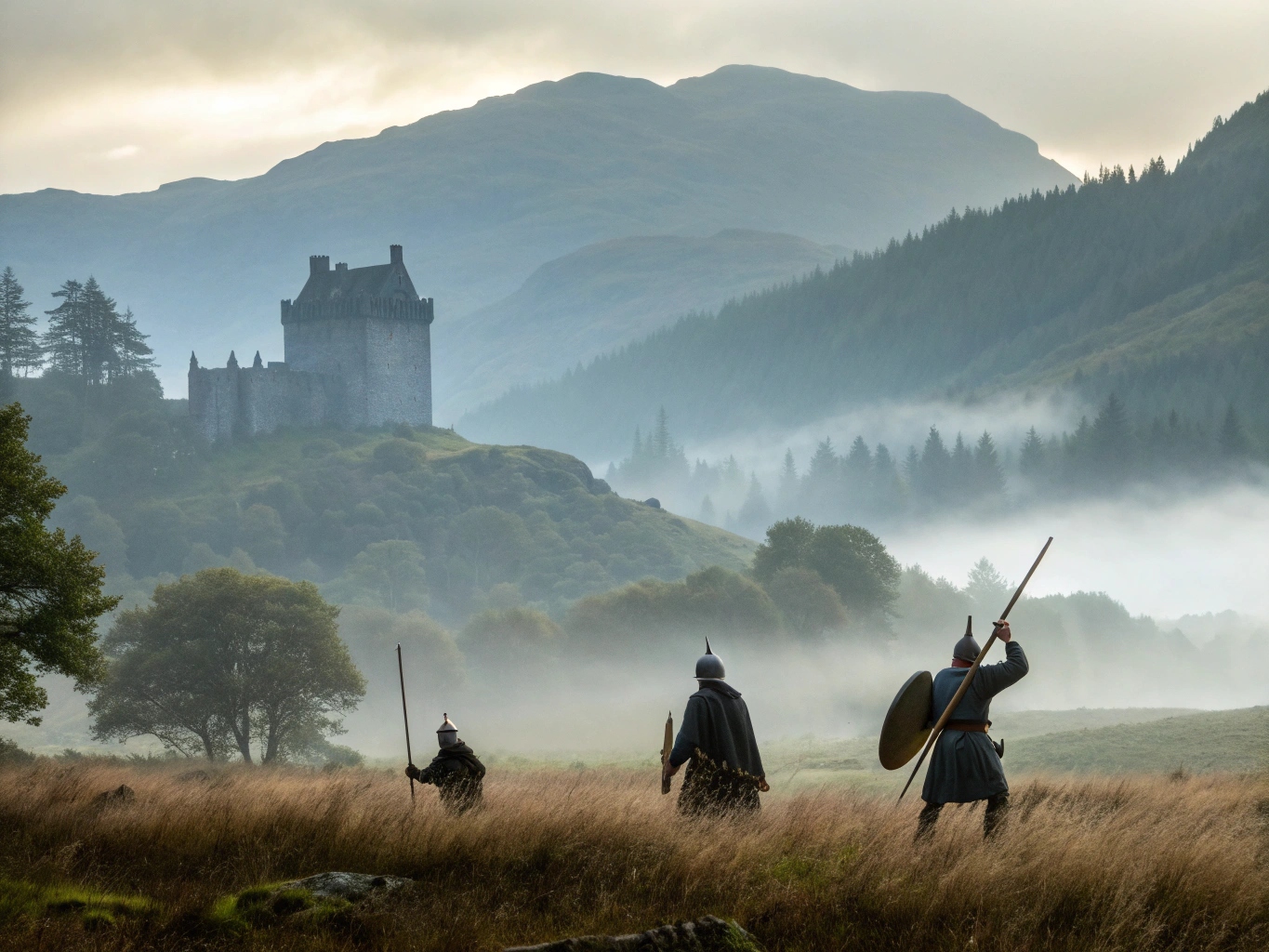
In Scotland, myths claim that fugitive Templars fought at the Battle of Bannockburn (1314), securing independence for Robert the Bruce. While historians debate the accuracy, it feeds the idea that Templar bloodlines merged with Scottish clans. Some genealogical traditions even claim certain surnames carry hidden Templar ancestry.
Genealogy, DNA, and the Templar Mystique
Why DNA Cannot Prove Templar Descent
Modern genetic testing can trace ancestry to regions and broad lineages, but it cannot pinpoint someone as a descendant of the Knights Templar. The order left no unique genetic signature, and many Crusaders intermarried with local populations.
However, DNA can confirm connections to regions and families historically associated with Crusaders, helping genealogists build stories around Templar ancestry.
The Role of Genealogical Research
Even without DNA proof, family records, heraldry, and medieval documents can link families to the Crusader era. Many noble families of Europe proudly trace descent to Crusaders, if not directly to Templars.
In this way, genealogy builds a bridge between historical records and the modern fascination with Templar bloodlines.
Templar Bloodlines: Myth vs. Reality
The Myths
-
Templars had secret heirs who safeguarded treasure.
-
Entire dynasties descend from the order.
-
The bloodline preserves sacred relics or Grail secrets.
The Reality
-
Official Templars were celibate, but some had families before vows.
-
Crusader DNA shows European and Middle Eastern genetic mixing.
-
Surviving Templar traditions influenced culture more than genetics.
The truth of Templar bloodlines lies somewhere between myth and history. While direct descent is unlikely, their influence spread through Crusader families, legends, and symbols that continue to shape identity today.
Why the Fascination with Templar Ancestry?
The idea of being connected to the Templars captures imagination because it blends history with mystery:
-
A sense of belonging to a secret, noble legacy.
-
The allure of hidden treasure and sacred relics.
-
The romantic vision of warrior-monks who defied kings and popes.
In genealogy, the search for Templar descendants is as much about identity and meaning as it is about blood.
Conclusion: Templar Bloodlines in History and Imagination
While science has yet to confirm direct Templar bloodlines, the fascination with Templar DNA and genealogy reveals our hunger for connection to the past. Through Crusader graves, regional DNA studies, and medieval records, we see traces of Crusader presence in today’s populations.
But perhaps the greatest legacy of the Knights Templar lies not in genetics, but in the stories and symbols they left behind. Their memory continues to shape culture, inspire legend, and spark the imagination of genealogists and historians alike.
Whether through DNA, family lore, or myth, the search for Templar ancestry reminds us that history is alive in both our blood and our stories.